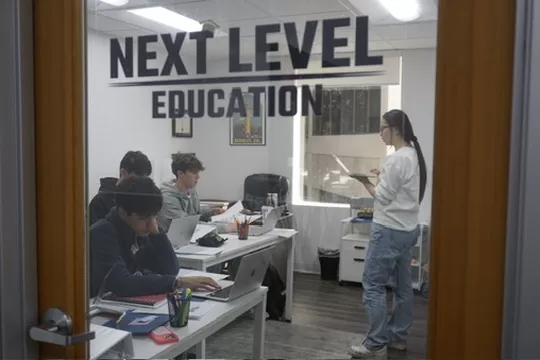
In the quest for academic excellence, students often encounter unique challenges that require personalized solutions. Personalized tutoring has emerged as a pivotal strategy in addressing these individual educational needs. By tailoring instruction to each student”?s learning style, strengths, and weaknesses, personalized tutoring not only enhances academic performance but also fosters a deeper understanding of the subject matter. This article delves into the strategies that make personalized tutoring an effective tool for academic success.
Understanding Personalized Tutoring
Personalized tutoring involves creating a customized learning plan that addresses the specific requirements of each student. Unlike traditional classroom settings, where one-size-fits-all instruction prevails, personalized tutoring focuses on adapting teaching methods to suit individual learners. This approach is beneficial for students who may struggle with conventional teaching methods or those who wish to advance their knowledge in specific topics.
Key Benefits of Personalized Tutoring
- Individualized Attention: Tutors can spend more time addressing specific areas where a student may struggle, ensuring a comprehensive understanding.
- Flexible Learning Pace: Students can learn at their own pace, without the pressure to keep up with classmates. This flexibility often leads to better retention and mastery of subjects.
- Boosted Confidence: As students gain a better grasp of their subjects, their confidence grows, positively impacting their overall academic journey.
- Adaptive Learning Techniques: Tutors can employ various teaching methods tailored to a student’s learning style, whether visual, auditory, or kinesthetic.
To explore further insights on how personalized tutoring can benefit different learning styles, explore further insights here.
Effective Strategies for Personalized Tutoring
The success of personalized tutoring hinges on several strategies that are tailored to meet the diverse needs of students. These strategies include:
Assessment and Goal Setting
- Conducting an initial assessment to identify the student’s strengths and areas for improvement.
- Setting achievable and measurable goals that align with the student’s academic objectives.
Read more about this topic by visiting this detailed guide.
Customized Learning Plans
- Developing a personalized curriculum that targets the student’s specific needs and learning style.
- Incorporating a mix of instructional materials, such as interactive exercises, visual aids, and practice tests.
Learn more in this detailed guide about creating effective learning plans.
Regular Feedback and Adaptation
- Providing consistent feedback on progress to ensure students stay on track.
- Adjusting the learning plan based on feedback and performance to maximize effectiveness.
Find additional information here on how feedback mechanisms enhance learning outcomes.
The Role of Technology in Personalized Tutoring
Technology plays a significant role in enhancing the effectiveness of personalized tutoring. Through the use of digital tools and platforms, tutors can offer a more engaging and interactive learning experience. Some of the technological advancements include:
- Online Tutoring Platforms: Facilitate flexible scheduling and access to a wide array of resources.
- Educational Software: Provides interactive lessons and real-time feedback.
- Virtual Reality (VR) and Augmented Reality (AR): Offer immersive learning experiences that can make complex subjects more accessible.
For more information on integrating technology in tutoring, explore further insights here.
Conclusion
Personalized tutoring represents a strategic approach to achieving academic success. By focusing on the unique needs of each student, this form of tutoring not only improves academic performance but also instills a lifelong love for learning. As educational challenges continue to evolve, personalized tutoring remains a vital tool in navigating the path to educational achievement. For more information on how personalized tutoring can transform academic outcomes, find additional information here.