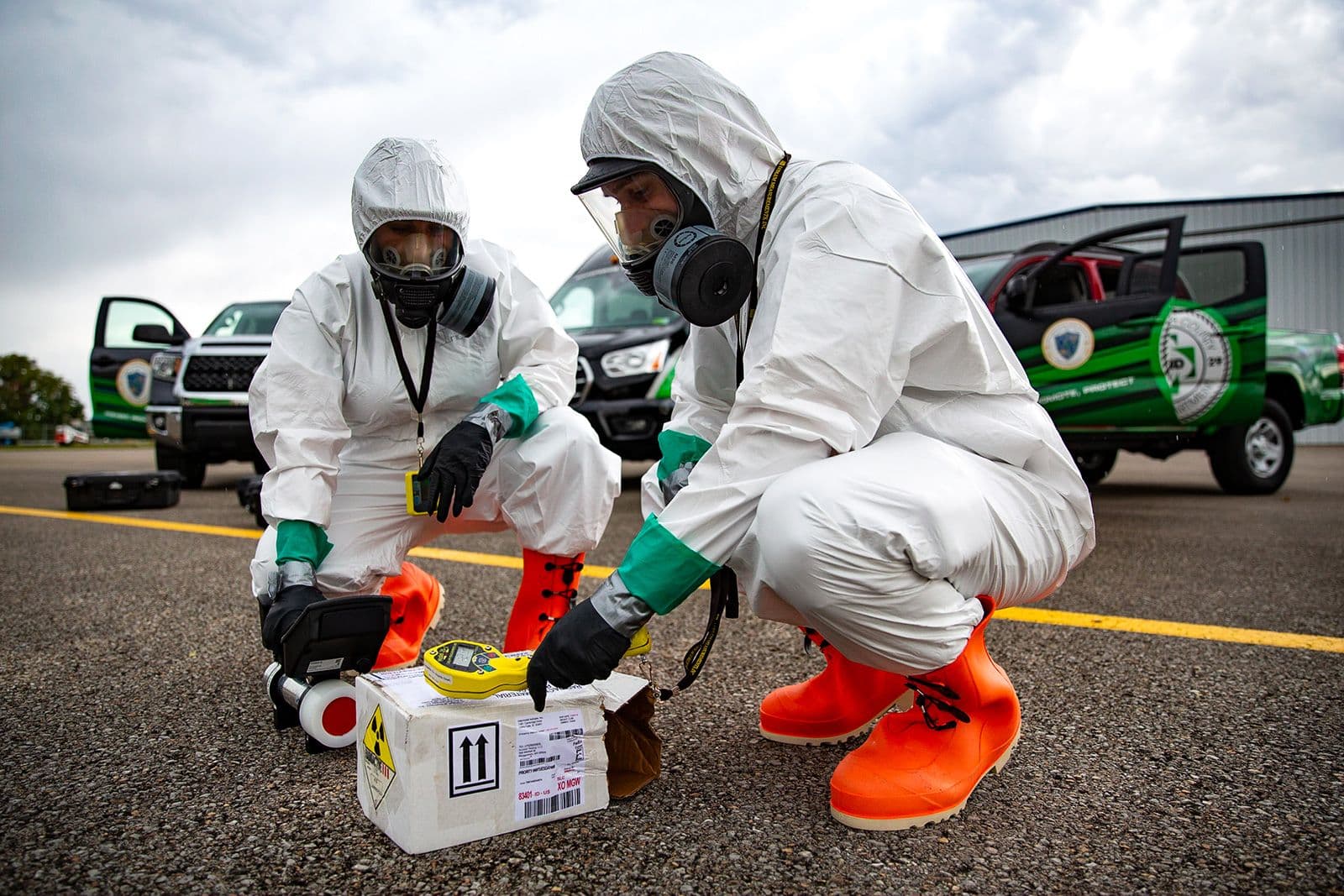
In an age where technology plays a pivotal role in ensuring safety and security, understanding how radiation detection systems operate is crucial. These systems are integral in various environments, ranging from healthcare facilities to nuclear power plants, and help safeguard against potential hazards by identifying and measuring radiation levels. The sophistication of modern radiation detection systems makes them indispensable in mitigating risks and ensuring public safety.
Understanding Radiation Detection Systems
Radiation detection systems are designed to identify and quantify different types of radiation, including alpha, beta, gamma, and neutron radiation. The functionality of these systems is based on their ability to detect the energy emitted from radioactive substances, which can be harmful to human health and the environment.
Types of Radiation Detectors
- Geiger-M?ller Counters: Commonly used for detecting alpha and beta particles, these counters are known for their simplicity and reliability.
- Scintillation Detectors: These detectors are effective in identifying gamma rays and are often used in nuclear medicine and industrial applications.
- Semiconductor Detectors: Known for their precision, they are employed in various fields, including environmental monitoring and research.
- Neutron Detectors: Specifically designed to detect neutron radiation, they are crucial in nuclear power operations and research.
How Radiation Detection Systems Work
The operation of radiation detection systems revolves around the interaction between radiation and the detector material. When radiation interacts with the detector, it produces ionization, which is then converted into an electronic signal that can be measured and analyzed.
Key Components
- Detection Medium: The material within the detector that interacts with radiation, such as gas in Geiger-M?ller counters or a crystal in scintillation detectors.
- Signal Processing Unit: Converts the interaction into a readable electronic signal.
- Display System: Provides visual representation of the radiation levels detected.
For those interested in learning more about the intricacies and applications of these systems, find out more about this approach to enhance understanding and implementation.
Applications of Radiation Detection Systems
Radiation detection systems are employed across a range of sectors to ensure safety and compliance with regulatory standards. Their versatility makes them suitable for:
- Medical Field: Monitoring and controlling exposure to radiation in diagnostic and treatment facilities.
- Environmental Monitoring: Tracking radiation levels in the environment to prevent contamination and protect ecosystems.
- Industrial Use: Ensuring the safety of workers in facilities that handle radioactive materials.
- Nuclear Security: Protecting against the unauthorized use or transport of radioactive substances.
Future of Radiation Detection Systems
The future of radiation detection systems lies in their continual evolution to meet the demands of modern safety standards. Innovations such as portable detectors and enhanced data analysis tools are paving the way for more efficient and user-friendly solutions. For those seeking to explore advanced guides and tips, explore advanced guides and tips on the latest technological advancements in this field.
In conclusion, radiation detection systems are a cornerstone of modern safety practices. By understanding their operation and applications, industries can better protect their workforce and the public. To learn about tailored solutions that meet specific needs, discover expert strategies here.