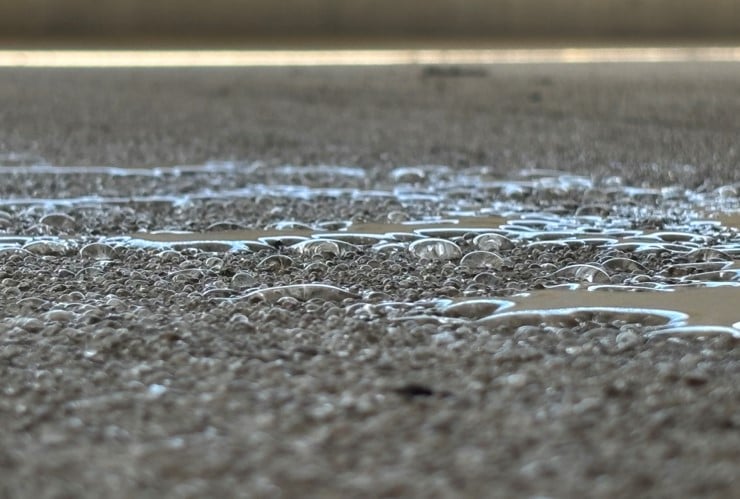
In today’s construction and home improvement industry, protecting surfaces from water damage is paramount. A significant advancement in this area has been the development of water-based penetrating sealers. These innovative products are designed to safeguard a variety of materials, including concrete, brick, stone, and wood, from the detrimental effects of moisture exposure. With a growing emphasis on sustainable and environmentally friendly solutions, the adoption of water-based sealers has been on the rise. Understanding their benefits, applications, and how they operate is crucial for anyone looking to enhance the durability and life span of their property.
Understanding Water-Based Penetrating Sealers
A water based penetrating sealer is a type of protective coating that is absorbed into the substrate rather than forming a surface film. This absorption capability allows the sealer to provide long-lasting protection by filling the pores of the material, thus preventing water and other contaminants from penetrating the surface.
Key Features of Water-Based Penetrating Sealers
- Eco-Friendly: Water-based sealers are formulated with fewer volatile organic compounds (VOCs), making them a more environmentally friendly choice compared to solvent-based alternatives.
- Breathability: These sealers allow moisture vapor to escape from the substrate, reducing the risk of efflorescence and other moisture-related issues.
- Non-Yellowing: Unlike some solvent-based options, water-based sealers do not yellow over time, maintaining the natural appearance of the substrate.
- Easy Application: They can be applied with a brush, roller, or sprayer, providing flexibility for various project sizes.
Benefits of Using Water-Based Penetrating Sealers
The use of water-based penetrating sealers offers a myriad of benefits, making them a preferred choice for both residential and commercial applications.
Durability and Longevity
One of the primary benefits of using a water-based penetrating sealer is its ability to significantly extend the life of the treated surface. By preventing water ingress, these sealers help to avoid common issues such as freeze-thaw damage, spalling, and surface degradation.
Enhanced Aesthetic Appeal
Water-based sealers preserve the natural look of the substrate. This characteristic is particularly important for surfaces where maintaining natural beauty is paramount, such as stone facades, decorative concrete, and brickwork.
Cost-Effectiveness
Investing in a water-based penetrating sealer can save money in the long run by reducing the need for frequent repairs and maintenance. These sealers deliver a lasting shield against water damage, minimizing potential costs associated with water-related deterioration.
Applications of Water-Based Penetrating Sealers
Water-based penetrating sealers are versatile and can be used in a wide range of applications.
- Concrete Surfaces: Ideal for driveways, patios, and sidewalks, these sealers protect against staining and wear.
- Stone and Brickwork: Suitable for stone facades, fireplaces, and brick walls, maintaining their structural integrity.
- Wood Protection: They provide a protective barrier on wooden decks and furniture against water damage and rot.
- Tile and Grout: Effective in preventing moisture penetration and mold growth in tiled areas.
Conclusion
Utilizing a water-based penetrating sealer is a smart choice for those looking to safeguard their properties against water damage. With its eco-friendly composition, ability to maintain the natural aesthetics of materials, and cost-saving advantages, it stands out as a superior solution in the realm of property protection. For those interested in exploring the benefits further, visiting a trusted source for water based penetrating sealer options can provide additional insights and product offerings. Adopting these sealers not only enhances the durability of surfaces but also contributes to sustainable building practices.