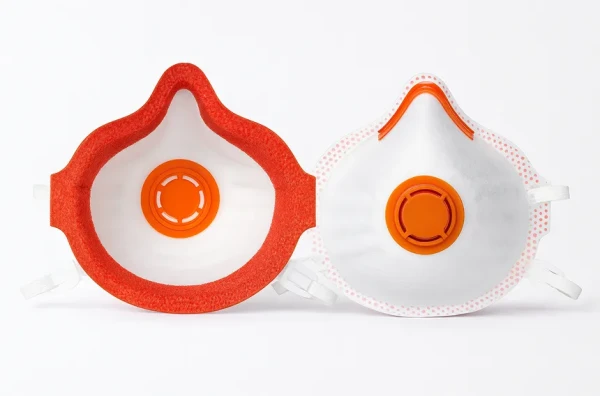
In the dynamic world of healthcare, the conversion of medical materials plays a pivotal role in ensuring efficiency, safety, and innovation. Medical material conversion refers to the process of transforming raw materials into useful medical devices and products. This process requires precision, adherence to stringent standards, and a deep understanding of both the materials and the end applications. The need for high-quality, reliable medical materials is ever-growing, and simplifying the conversion process is crucial for maintaining the high standards required in the industry.
Understanding Medical Material Conversion
Medical material conversion involves several steps, each critical to achieving the desired quality and functionality of the final product. From selecting the right raw materials to employing advanced manufacturing techniques, each phase demands meticulous attention and expertise. The goal is to create products that meet regulatory standards and fulfill the specific needs of healthcare providers and patients.
Key Steps in the Conversion Process
- Material Selection: Choosing appropriate materials is the first and most crucial step. Materials must be biocompatible, durable, and suitable for the intended use.
- Design and Prototyping: Designing prototypes helps in assessing the functionality and effectiveness of the materials in a controlled environment.
- Manufacturing: Employing techniques such as die-cutting, laminating, and coating to transform materials into finished products.
- Quality Control: Ensuring that each product meets industry standards through rigorous testing and quality assurance practices.
For more detailed insights on each of these steps, discover expert strategies here.
Innovations in Medical Material Conversion
The medical field is constantly evolving, and so are the technologies and methods used in material conversion. Innovations in this domain are driven by the need for improved patient outcomes and cost-effective solutions. Some of the recent advancements include:
- Advanced Materials: The development of multifunctional materials that offer enhanced properties such as antimicrobial resistance and improved wearability.
- Automation and Robotics: Utilizing robotics and automation to enhance precision and efficiency in manufacturing processes.
- Sustainability Practices: Implementing eco-friendly practices to reduce waste and promote sustainability in material conversion.
To explore advanced guides and tips on incorporating these innovations, explore advanced guides and tips.
Challenges and Solutions in Medical Material Conversion
Despite the advancements, several challenges persist in medical material conversion. These challenges include regulatory hurdles, material compatibility issues, and the constant need for innovation to meet emerging healthcare demands. Addressing these challenges requires:
- Regulatory Compliance: Staying updated with regulatory changes and ensuring all products meet the necessary standards.
- Research and Development: Investing in R&D to discover new materials and processes that enhance product quality.
- Collaboration: Working closely with healthcare professionals to understand their needs and develop tailored solutions.
For more information on overcoming these challenges, learn about our tailored solutions.
The Future of Medical Material Conversion
As technology continues to advance, the future of medical material conversion looks promising. The integration of digital technologies, such as AI and machine learning, is set to revolutionize the industry by improving predictive capabilities and optimizing production processes.
With continuous innovation and a focus on quality and efficiency, the medical industry is poised to benefit from more effective and reliable medical material conversion processes. Find out more about this approach to stay ahead in this ever-evolving field.