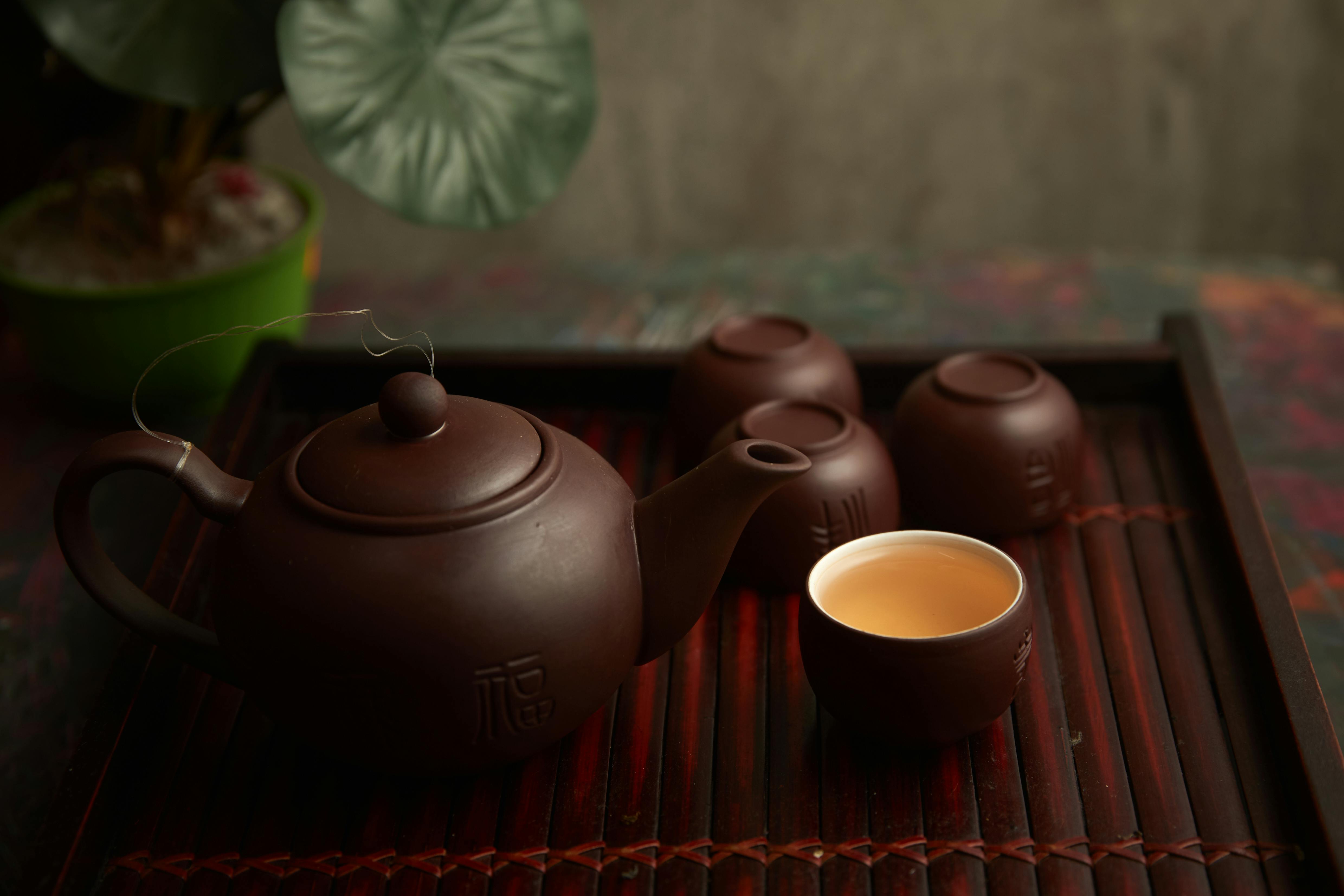
Oolong tea, a traditional Chinese tea, has gained popularity due to its unique taste and potential health benefits, particularly in weight management. As individuals increasingly seek natural solutions for weight loss, oolong tea emerges as a compelling option. This guide aims to provide insights into selecting the right oolong tea to support weight loss goals, while also considering taste preferences and quality standards.
Understanding Oolong Tea
Oolong tea is semi-oxidized, lying somewhere between green tea and black tea in terms of oxidation and flavor profile. This unique characteristic contributes to its distinct taste and health benefits. When considering oolong tea for weight loss, it’s essential to recognize its specific components:
- Polyphenols: These antioxidants may boost metabolism and increase fat oxidation.
- Caffeine: Provides a mild energy boost and can enhance fat burning.
- Theanine: An amino acid that promotes relaxation without drowsiness.
Choosing the Right Oolong Tea
Factors to Consider
When selecting an oolong tea for weight loss purposes, consider the following aspects:
- Oxidation Level: Different oxidation levels affect flavor and potential health benefits. Experiment with varying levels to find your preference.
- Origin: The region where the tea is grown can influence its quality and taste. Renowned areas include Taiwan and China’s Fujian province.
- Processing Method: Traditional methods often yield higher-quality teas compared to mass-produced options.
- Explore advanced guides and tips on selecting high-quality oolong tea.
Flavors and Aromas
Oolong tea offers a diverse range of flavors, from floral and fruity to nutty and toasty. Choosing a flavor profile that aligns with personal taste can enhance the enjoyment and likelihood of consistency in consumption. Consider these popular varieties:
- Formosa Oolong: Known for its sweet, fruity notes.
- Da Hong Pao: Offers a robust, earthy flavor.
- Tie Guan Yin: Presents floral aromas with a buttery taste.
Incorporating Oolong Tea into a Weight Loss Routine
Integrating oolong tea into a weight management plan requires consistency and mindfulness. Here are some strategies:
- Regular Consumption: Drinking 2-3 cups daily can maximize potential benefits.
- Timing: Consuming oolong tea before meals may help in reducing appetite.
- Combining with a Balanced Diet: Ensure a nutritious diet to complement the effects of oolong tea.
- Discover expert strategies here for an effective tea routine.
Potential Benefits and Considerations
While oolong tea is celebrated for its weight management properties, it is crucial to be aware of both its benefits and considerations:
- Enhances Metabolism: The combination of caffeine and polyphenols can increase metabolic rate temporarily.
- Promotes Fat Burning: Studies suggest oolong tea may enhance fat oxidation.
- Caffeine Sensitivity: Individuals sensitive to caffeine should moderate intake to avoid potential side effects like jitteriness.
- Find out more about this approach to harnessing oolong tea’s benefits.
Conclusion
Choosing the right oolong tea for weight loss involves understanding its unique characteristics and aligning them with personal preferences and health goals. By considering factors such as oxidation level, origin, and flavor profile, individuals can make informed decisions that enhance both enjoyment and effectiveness. For those seeking to integrate oolong tea into their weight management strategy, additional resources are available to further tailor their approach. Learn about our tailored solutions to optimize your tea selection process.