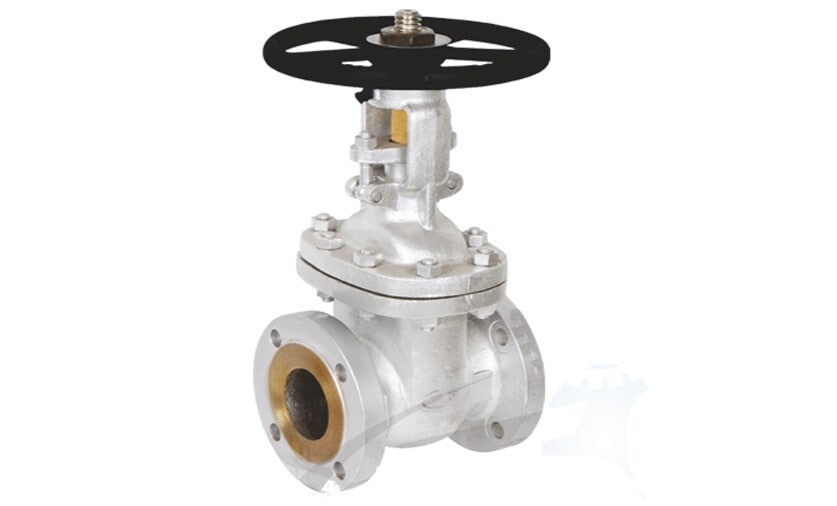
In modern industrial settings, the efficiency of fluid control systems is paramount. The use of durable and reliable components can significantly enhance operational efficiency and reduce maintenance costs. Among the various types of valves available, the stainless steel gate valve stands out as a preferred choice for many industries. Its robust design and functionality make it suitable for a wide range of applications, from water systems to chemical processing plants. This article explores the benefits and applications of stainless steel gate valves, providing insights into their role in enhancing operational efficiency.
Understanding Stainless Steel Gate Valves
Design and Functionality
The stainless steel gate valve is designed to regulate the flow of fluids by employing a gate mechanism. This mechanism involves a flat or wedge-shaped gate that can be lifted or lowered to start or stop the flow of liquid through the valve. Key features of stainless steel gate valves include:
- Durability: Constructed from high-grade stainless steel, these valves offer excellent resistance to corrosion and wear, making them suitable for harsh environments.
- Leak-proof operation: The gate valve design ensures a tight seal when closed, minimizing the risk of leaks.
- Versatility: Suitable for a variety of media, including water, oil, and gas, stainless steel gate valves can be used across different sectors.
- High-pressure capability: These valves are designed to withstand high pressure, making them ideal for demanding applications.
Applications of Stainless Steel Gate Valves
Due to their robust construction and reliable sealing capabilities, stainless steel gate valves are utilized in numerous industries. Some of the primary applications include:
Water Treatment Facilities
In water treatment plants, maintaining a consistent and controllable flow of water is crucial. Stainless steel gate valves are commonly used to manage water distribution efficiently. Their corrosion-resistant properties make them perfect for prolonged exposure to water and chemicals used in treatment processes.
Oil and Gas Industry
Within the oil and gas sector, controlling the flow of crude oil and natural gas is essential for operational safety and efficiency. Stainless steel gate valves are employed due to their ability to handle high-pressure environments and resist corrosive materials found in these industries.
Chemical Processing
Chemical plants require valves that can withstand aggressive chemicals and high temperatures. Stainless steel gate valves offer the necessary durability and reliability, ensuring the safe transport of various chemicals without contamination or leakage.
Advantages Over Alternative Valve Types
When compared to other valve types, such as ball valves or butterfly valves, stainless steel gate valves provide certain advantages:
- Minimal pressure drop: The unobstructed path of a fully opened gate valve allows for minimal pressure loss.
- Bi-directional flow: Gate valves are capable of controlling flow in both directions, offering flexibility in system design.
- Cost-effectiveness: Although the initial cost may be higher, the long-term benefits of reduced maintenance and extended lifespan make them a cost-effective solution.
Conclusion
In conclusion, stainless steel gate valves play a critical role in enhancing the efficiency of fluid control systems across various industries. Their ability to provide reliable, leak-proof operation in challenging environments makes them a valuable component in any industrial setting. Understanding the stainless steel gate valve and its applications can lead to more informed decisions when selecting components for fluid control systems, ultimately resulting in improved operational efficiency and reduced costs.