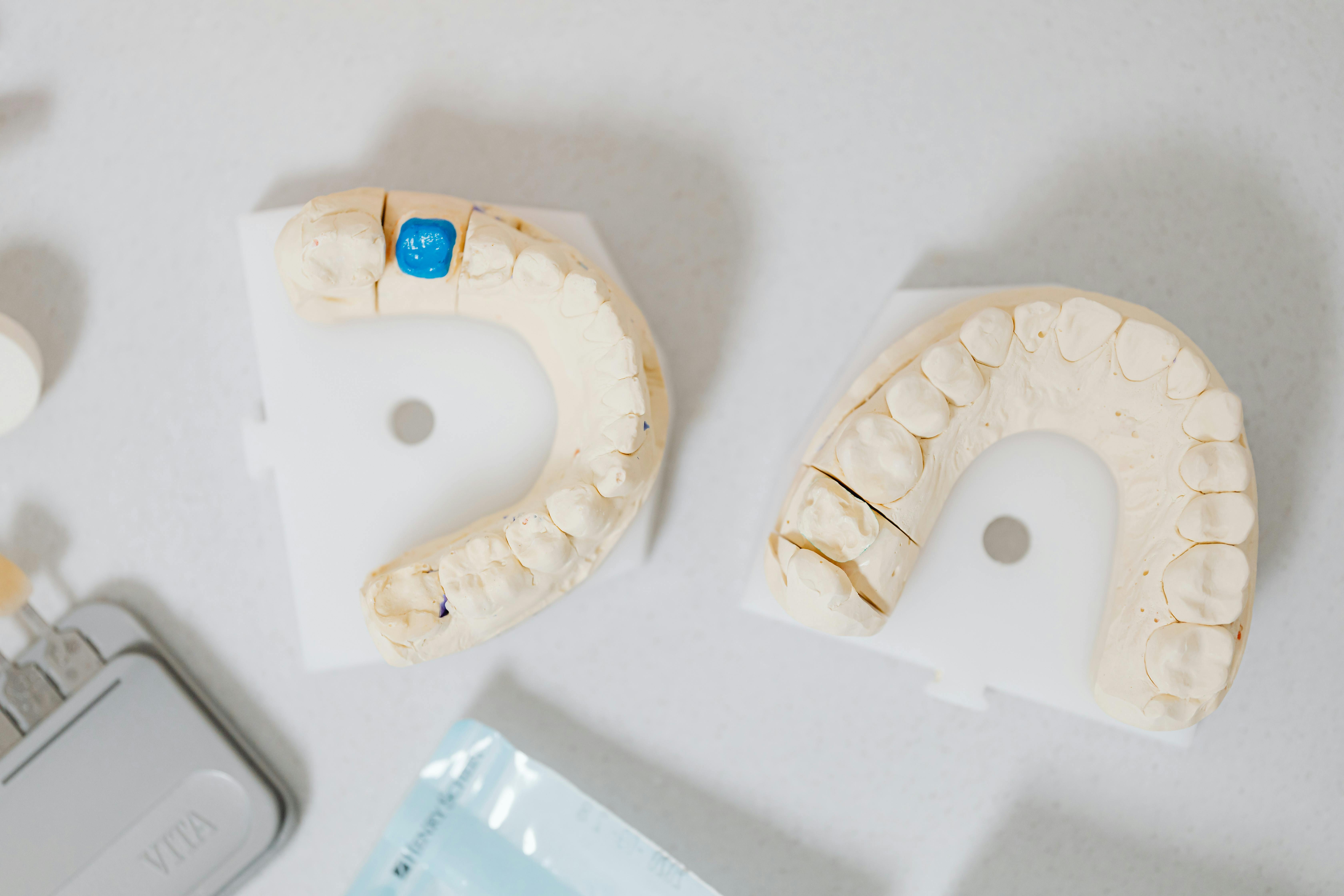
Having a complete and confident smile can significantly enhance one’s self-esteem and quality of life. Missing teeth, however, can impact not only appearance but also oral health. A well-established solution to this problem is full dental implants, a treatment that restores both function and aesthetics. For those considering this transformative option, it’s crucial to understand what full dental implants entail and how they can complete your smile.
Understanding Full Dental Implants
Full dental implants are a permanent solution for replacing missing teeth. Unlike dentures, they do not slip or require removal for cleaning. The process involves placing titanium posts into the jawbone, which act as artificial roots. Over time, these posts fuse with the bone, providing a stable foundation for replacement teeth.
Key Benefits of Full Dental Implants
- Durability: Dental implants are designed to last a lifetime with proper care.
- Aesthetics: They closely mimic the look and feel of natural teeth.
- Functionality: Implants allow for normal eating and speaking, unlike some other tooth replacement options.
- Bone Health: By stimulating the jawbone, implants help prevent bone loss.
- Convenience: No need for adhesives or special cleaning procedures as with dentures.
To explore advanced guides and tips on this topic, discover expert strategies here.
The Implant Procedure
Understanding the procedure involved in getting full dental implants can alleviate concerns and prepare patients for what to expect. The process typically involves several stages:
- Initial Consultation: A thorough examination to assess oral health and determine the suitability of implants.
- Surgical Procedure: Placement of the titanium posts into the jawbone.
- Healing Period: Osseointegration, where the bone fuses with the implants, usually takes several months.
- Abutment Placement: Once healed, an abutment is attached to the implant to hold the new teeth.
- Replacement Teeth: Custom crowns are fitted, completing the restoration.
For those interested in a detailed breakdown of this approach, learn about our tailored solutions.
Candidates for Full Dental Implants
Not everyone is an ideal candidate for dental implants. Factors such as overall health, jawbone density, and oral hygiene habits play a crucial role. Generally, candidates should:
- Have good oral and general health.
- Possess adequate bone density to support the implants.
- Be committed to maintaining good oral hygiene.
- Not suffer from conditions that impair healing, such as uncontrolled diabetes.
Find out more about this approach to determine if you’re a candidate for full dental implants.
Post-Implant Care
Proper care is essential to ensure the longevity and success of dental implants. Here are some tips for maintaining them:
- Practice regular oral hygiene, including brushing and flossing.
- Attend regular dental check-ups and cleanings.
- Avoid hard foods that can damage the implants.
- Quit smoking, as it can interfere with healing and increase the risk of implant failure.
For comprehensive post-care advice, explore advanced guides and tips available on dental care websites.
Conclusion
Full dental implants provide a reliable and effective solution for those looking to restore their smile and improve their quality of life. By understanding the benefits, procedure, and care involved, individuals can make informed decisions about their dental health. For more detailed information and to address any specific concerns, visiting a dental professional’s website is highly recommended. Discover expert strategies here to take the next step in achieving a complete smile.