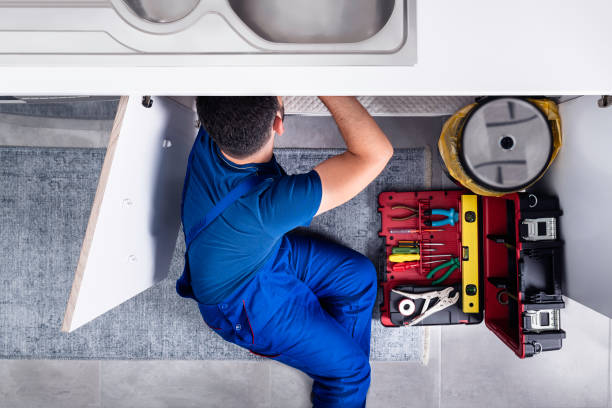
Effective drainage solutions are essential for maintaining the structural integrity and aesthetic appeal of any property. Whether dealing with residential or commercial spaces, managing water flow efficiently prevents potential water damage and enhances the longevity of the property. With the increasing frequency of extreme weather events, investing in comprehensive drainage systems has become more critical than ever. This article explores various drainage solutions, their benefits, and how they can be tailored to meet specific property requirements.
Understanding Drainage Systems
Drainage systems are designed to manage and direct the flow of water away from buildings and landscapes. They consist of numerous components that work together to ensure water is effectively channeled from areas where it can cause harm.
Types of Drainage Systems
- Surface Drainage: This involves altering the land’s surface to direct water flow away from structures. It includes features like ditches and channels.
- Subsurface Drainage: Also known as French drains, these systems are installed below the surface to remove excess water from the soil.
- Gutter Systems: Installed on roofs, these systems collect rainwater and direct it away from the building’s foundation.
For a deeper understanding of each type, read more about this topic.
Benefits of Effective Drainage Solutions
Implementing effective drainage solutions provides numerous benefits that significantly enhance property value and safety.
- Prevention of Water Damage: Proper drainage prevents water accumulation that can lead to structural damage, such as foundation cracks and mold growth.
- Landscape Preservation: Adequate drainage protects gardens and lawns from waterlogging, preserving the aesthetic appeal of the property.
- Safety Improvement: By preventing water pooling, slip hazards are minimized, ensuring safety for residents and visitors.
Learn more in this detailed guide about the advantages of implementing effective drainage solutions.
Factors to Consider When Choosing a Drainage Solution
Selecting the appropriate drainage solution requires consideration of several factors to ensure its effectiveness and longevity.
Property Topography
Understanding the natural slope and layout of the property is crucial in designing a drainage system that works with the landscape rather than against it.
Soil Type
Different soil types absorb and retain water differently. Sandy soils drain quickly, while clay soils may require more extensive drainage solutions to prevent water buildup.
Climate Conditions
The local climate and weather patterns dictate the volume and frequency of water a drainage system will need to handle. Systems in areas with heavy rainfall need to be more robust.
Explore further insights here about the considerations for choosing the right drainage system.
Implementing Drainage Solutions
Once the appropriate drainage solution is identified, the implementation phase involves careful planning and execution to ensure the system’s effectiveness.
- Professional Assessment: Engage experts to assess the site and recommend the most suitable drainage solutions.
- System Installation: Proper installation is critical. Ensure that gutters, channels, and pipes are correctly placed and secured.
- Regular Maintenance: Continuous maintenance is vital to keep the system functioning optimally. This includes clearing debris from gutters and checking for any blockages.
Find additional information here on how to effectively implement and maintain drainage systems.