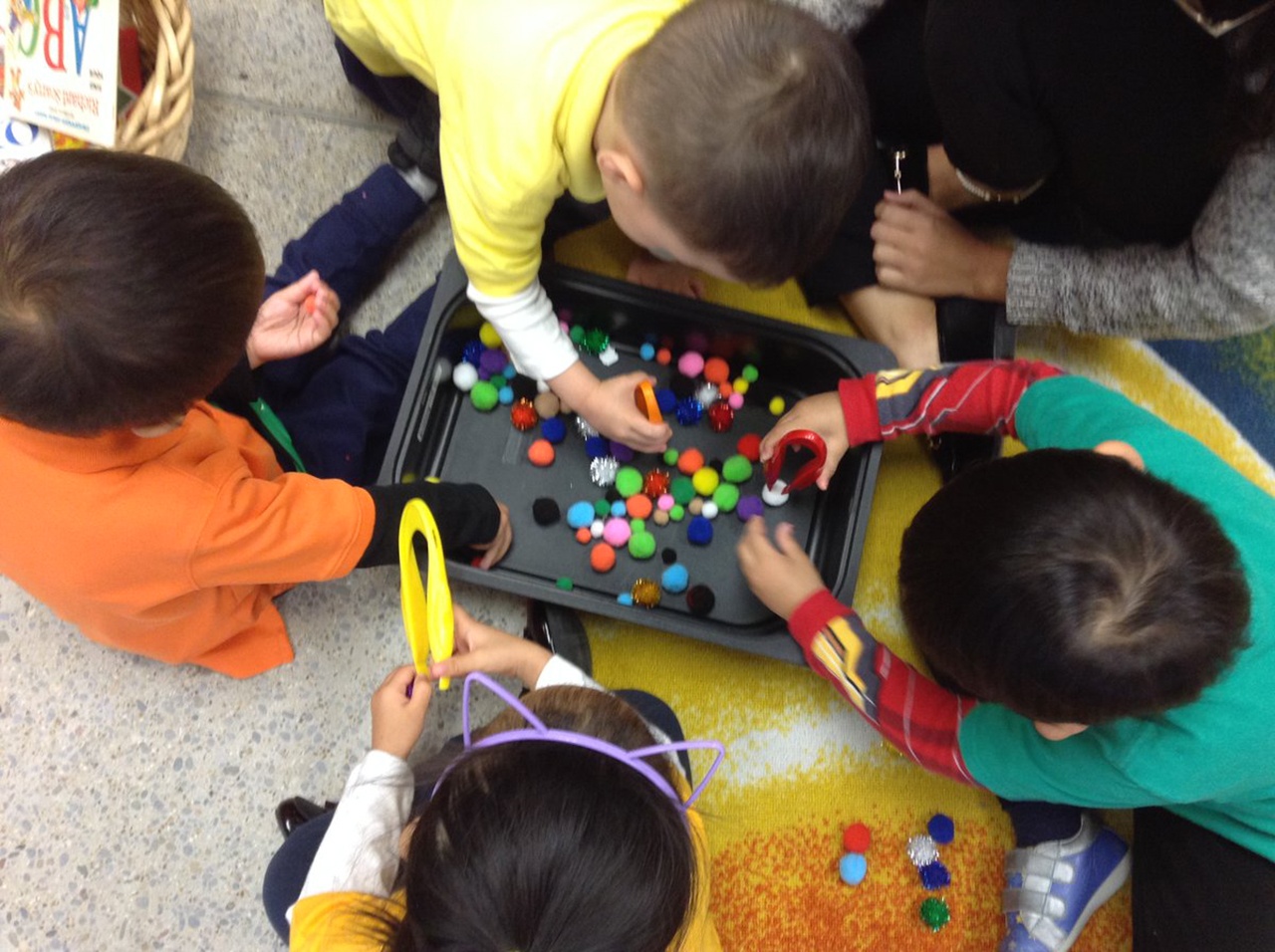
The early years of a child’s life are pivotal for growth and development, making it essential to provide enriching experiences that cater to their sensory needs. One delightful way to engage infants and toddlers in sensory exploration is through fairy play. This imaginative play style fosters creativity, enhances sensory skills, and supports cognitive development. For parents and caregivers seeking to introduce sensory fun into their routines, exploring fairy play opportunities in local communities can be an exciting and beneficial endeavor.
Understanding the Importance of Sensory Play
Sensory play is crucial in early childhood development as it stimulates a child’s senses: touch, smell, taste, sight, and hearing. This type of play encourages exploration and naturally invites children to use scientific processes while they play, create, investigate, and explore. Engaging in sensory activities can:
- Enhance language development
- Promote fine and gross motor skills
- Encourage problem-solving skills
- Foster social interaction and cooperation
To delve deeper into effective strategies for incorporating sensory play, one can discover expert strategies here.
Incorporating Fairy Play into Daily Activities
Fairy play, a subset of sensory play, involves the magical world of fairies and mythical creatures, stimulating a child’s imagination and sense of wonder. Here are some ways to integrate fairy play into daily routines:
Create a Fairy Garden
A fairy garden can be a captivating project that encourages creativity and tactile learning. Utilize natural materials like soil, rocks, and plants to build a miniature world. This activity supports:
- Understanding natural environments
- Developing patience and responsibility
- Enhancing aesthetic appreciation
For more detailed guides on setting up fairy gardens, explore advanced guides and tips.
Storytelling and Imaginative Play
Storytelling is an effective way to engage children in fairy play. Encourage them to create their own fairy tales, which aids in:
- Boosting language and literacy skills
- Fostering creativity and imagination
- Building confidence in verbal expression
To learn about integrating storytelling into playtime effectively, find out more about this approach.
Community Resources for Fairy Play
Local communities often offer various resources for parents and caregivers looking to enrich their child?s play environment. These can include:
- Workshops and classes focused on sensory play
- Libraries with storytelling sessions
- Community parks with natural settings ideal for fairy play
Local libraries and community centers may host events where children can engage in group activities that emphasize social development through creative play. To explore local opportunities and tailored solutions, learn about our tailored solutions.
Conclusion
Incorporating fairy play into a child?s life can significantly contribute to their sensory development and overall well-being. By understanding its importance and utilizing community resources, parents and caregivers can create a nurturing environment that supports growth and learning. For those eager to delve into the world of sensory and fairy play, the journey promises to be as rewarding for adults as it is for children. Explore advanced guides and tips to begin this magical adventure today.