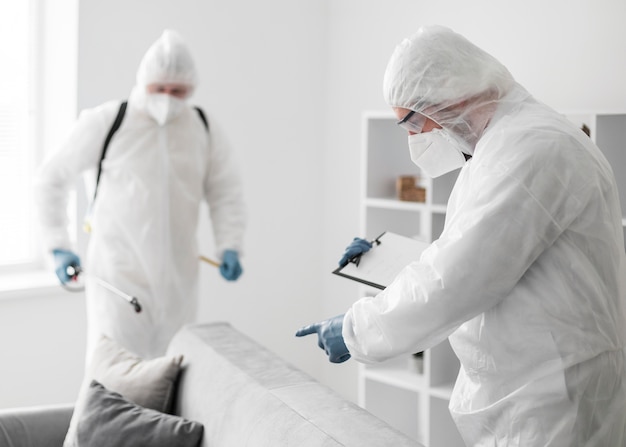
In the realm of home maintenance, mold growth in crawl spaces represents a significant concern. Mold not only deteriorates the structural integrity of a home but also poses serious health risks to its inhabitants. Addressing mold issues promptly and effectively is crucial to ensure a safe and healthy living environment. Various mold remediation techniques can be employed to manage and prevent mold growth, tailored to the specific conditions of each crawl space. This article delves into effective strategies for crawl space mold remediation, providing insights and expert recommendations for homeowners and professionals alike.
Understanding Crawl Space Mold
Mold thrives in environments with high moisture levels, making crawl spaces particularly susceptible. The dark, damp conditions commonly found in these spaces provide an ideal breeding ground for mold. Identifying the presence of mold early is essential, as prolonged exposure can lead to respiratory issues, allergies, and other health problems. Regular inspections and moisture control are key components in the prevention and management of mold growth.
Key Mold Remediation Techniques
Effective mold remediation requires a comprehensive approach, combining immediate action with long-term preventive measures. Here are some techniques to consider:
1. Moisture Control
Controlling moisture is the cornerstone of mold prevention. This involves:
- Ensuring proper drainage systems and grading around the home to direct water away from the foundation.
- Installing vapor barriers to reduce moisture seepage from the ground.
- Utilizing dehumidifiers to maintain optimal humidity levels within the crawl space.
For more information on effective moisture control, discover expert strategies here.
2. Proper Ventilation
Improving air circulation within crawl spaces helps to prevent mold growth by reducing moisture build-up. This can be achieved by:
- Installing vents strategically to promote airflow.
- Utilizing exhaust fans to expel humid air.
- Ensuring that ventilation systems are not obstructed by debris or insulation.
To learn about our tailored solutions for improving ventilation, refer to our comprehensive guide.
3. Professional Mold Remediation Services
While DIY methods can be effective for minor mold issues, professional services are recommended for extensive mold growth. Professionals employ advanced techniques and equipment to ensure thorough mold removal and prevention. Key advantages of professional services include:
- Expert assessment of mold severity and source identification.
- Use of specialized cleaning agents and tools for effective mold removal.
- Implementation of long-term preventive strategies tailored to the specific needs of the property.
To explore advanced guides and tips on professional mold remediation, explore advanced guides and tips.
Preventive Measures for Long-Term Mold Control
Prevention is always better than cure, and taking proactive measures can significantly reduce the risk of mold reoccurrence:
- Regular inspections and maintenance of crawl spaces to identify potential mold-inducing conditions.
- Sealing cracks and openings to prevent moisture intrusion.
- Educating occupants on the importance of maintaining a dry and ventilated crawl space environment.
For further reading on preventive measures, find out more about this approach.
Conclusion
Effective mold remediation in crawl spaces requires a strategic approach that combines immediate action with preventive measures. By understanding the underlying causes of mold growth and implementing the right techniques, it is possible to maintain a healthy and mold-free home environment. For homeowners and professionals seeking detailed strategies and expert advice, exploring comprehensive resources can provide valuable insights into effective mold management. Always consider the guidance of professionals for severe mold issues to ensure safety and efficacy.