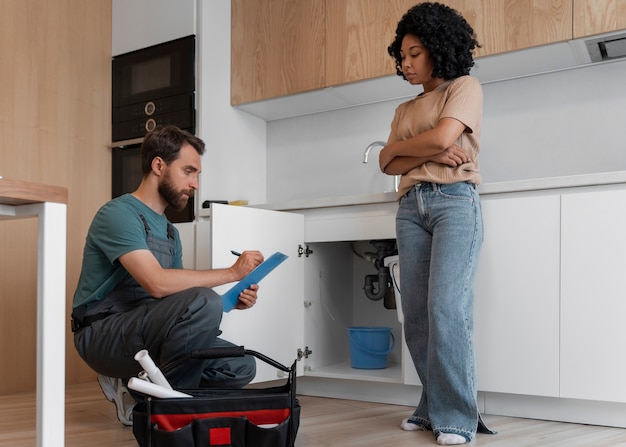
Maintaining a water heater in optimal condition is crucial for ensuring a steady supply of hot water in any home. Regular maintenance not only prolongs the life of the appliance but also enhances its efficiency, saving costs in the long run. When faced with a malfunctioning water heater, understanding a few expert repair tips can make a significant difference. Whether dealing with temperature inconsistencies or leaks, approaching repairs with a strategic mindset can prevent further damage and ensure safety.
Identifying Common Water Heater Issues
Water heaters can exhibit various problems that require attention. Here are some common issues to be aware of:
- No Hot Water: This could be caused by a faulty thermostat or a broken heating element.
- Leaking Tank: Often a result of corrosion or loose connections.
- Strange Noises: Sediment buildup can lead to popping sounds.
- Discolored Water: Typically indicates rusting inside the tank.
For those looking to handle these issues independently, it’s essential to familiarize oneself with basic troubleshooting techniques. Discover expert strategies here to tackle these common problems effectively.
Essential Water Heater Repair Tips
1. Regular Maintenance Checks
Performing routine inspections can help identify potential problems before they escalate. Key maintenance tasks include:
- Checking the pressure relief valve for proper operation.
- Flushing the tank to remove sediment buildup.
- Inspecting anode rods to prevent tank corrosion.
Regular maintenance not only ensures efficient operation but also extends the lifespan of the water heater. Learn about our tailored solutions for comprehensive maintenance plans.
2. Diagnosing Heating Problems
If the water heater fails to heat water adequately, the issue might lie with the thermostat or heating elements. Here?s how to address these problems:
- Test the thermostat settings and make necessary adjustments.
- Check and replace faulty heating elements.
- Ensure that the power supply is uninterrupted.
Understanding and diagnosing heating issues can significantly reduce downtime and repair costs. Explore advanced guides and tips for tackling heating inefficiencies.
3. Addressing Tank Leaks
Leaks can lead to severe water damage if not addressed promptly. To manage tank leaks effectively:
- Inspect connections and tighten any loose fittings.
- Replace faulty valves or damaged pipes.
- Consider replacing the water heater if the tank is corroded.
Timely intervention can prevent extensive damage and costly repairs. Find out more about this approach to efficiently handle water heater leaks.
When to Call a Professional
While DIY repairs can be effective for minor issues, certain situations necessitate professional intervention. Instances where expert help is recommended include:
- Persistent leaks or water pooling around the heater.
- Complex electrical issues or recurrent circuit breaker trips.
- Complete water heater replacement needs.
Professional services offer precise diagnostics and advanced repair techniques that ensure safety and efficiency. For more comprehensive solutions, explore advanced guides and tips to decide when professional assistance is necessary.