Fire incidents can be devastating, leaving behind significant damage that requires specialized attention. Professional fire damage restoration is a meticulous process that involves cleaning, repairing, and restoring properties back to their pre-fire condition. This article explores the key techniques used in fire damage restoration, emphasizing the importance of employing expert methods to ensure safety and efficacy.
Initial Assessment and Planning
The first step in professional fire damage restoration is a thorough assessment of the affected property. This step involves:
- Evaluating the extent of the damage caused by the fire, smoke, and soot.
- Identifying structural issues and safety hazards that need immediate attention.
- Developing a detailed restoration plan tailored to the specific needs of the property.
The assessment phase is crucial as it guides the entire restoration process. Read more about this topic.
Smoke and Soot Removal
Smoke and soot can cause extensive damage if not addressed promptly. Some of the techniques employed include:
- Using specialized vacuums and air scrubbers to remove soot particles from surfaces and air.
- Applying chemical sponges and cleaning agents to clean walls, ceilings, and other surfaces.
- Utilizing thermal fogging and ozone treatments to eliminate lingering smoke odors.
These methods help restore indoor air quality and prevent further damage to the property. Learn more in this detailed guide.
Water Damage Mitigation
Dehumidification and Drying
Water damage often accompanies fire incidents due to firefighting efforts. Effective water damage mitigation involves:
- Using industrial-grade dehumidifiers to remove moisture from the air.
- Employing air movers and heaters to accelerate the drying process.
- Monitoring moisture levels to ensure thorough drying.
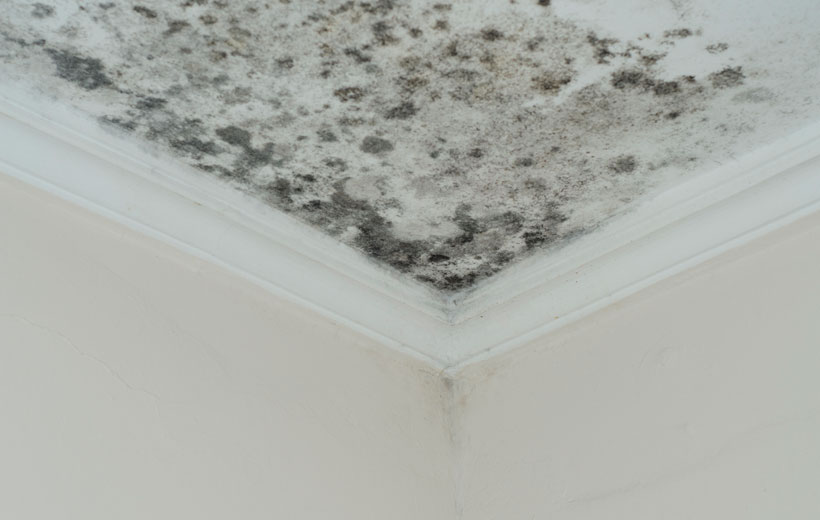
Proper water mitigation prevents mold growth and further structural damage. Explore further insights here.
Structural Repairs and Restoration
Once the property is dried and cleaned, structural repairs and restoration can commence. This phase includes:
- Repairing or replacing damaged drywall, flooring, and other structural elements.
- Restoring electrical, plumbing, and HVAC systems to safe operational status.
- Reconstructing areas of the property that suffered extensive damage.
Professional restoration ensures that the property is safe, functional, and aesthetically pleasing once again. Find additional information here.
Final Inspection and Quality Assurance
The final step in fire damage restoration is a comprehensive inspection to ensure all work meets industry standards. This includes:
- Performing a thorough walk-through with property owners to address any concerns.
- Ensuring all repairs and restorations have been completed to a high standard.
- Providing documentation of the work completed and any warranties that apply.
A successful restoration process not only restores the property but also provides peace of mind to the owners. Learn more in this detailed guide.