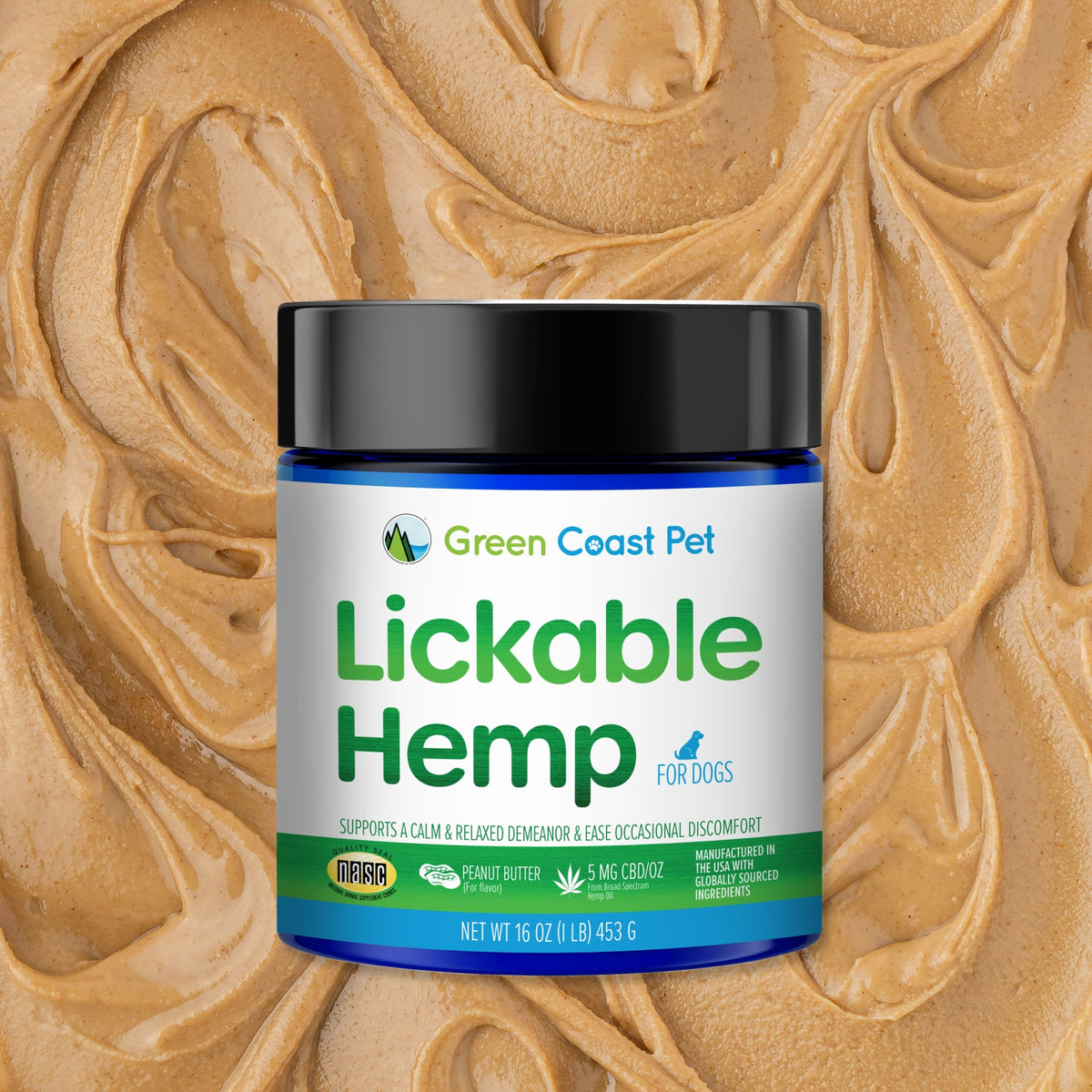
For many dog owners, choosing between soft and hard dog treats can be a perplexing decision. Each type of treat has distinct advantages and potential drawbacks, depending on a dog’s age, dental health, and individual preferences. Understanding the differences can help pet owners make informed decisions about their furry friends’ nutrition and enjoyment.
Understanding Soft Dog Treats
Soft dog treats are often favored for their texture and palatability. They are generally moist and chewy, making them an excellent choice for dogs who may have difficulty with harder textures. Here are some benefits of opting for soft treats:
- Easy to chew: Ideal for puppies who are teething and older dogs with dental issues.
- Highly palatable: Often more appealing due to their rich aroma and soft texture.
- Training-friendly: Their pliability makes them easy to break into smaller pieces, perfect for training sessions.
Soft treats for dogs can be a versatile option, offering a delightful snack that is both enjoyable and rewarding for pets. However, it’s important to monitor portion sizes to prevent overfeeding, as these treats can be calorie-dense.
The Case for Hard Dog Treats
Hard dog treats, often known as biscuits or kibble, are a staple in many pet households. They provide a crunchy texture that many dogs love. Here are some reasons to consider hard treats:
- Dental health: The crunchiness can help reduce plaque and tartar buildup.
- Long-lasting: These treats typically last longer than their soft counterparts, making them perfect for dogs who enjoy chewing.
- Variety: Available in a wide range of flavors and sizes to suit different dog breeds and preferences.
While hard treats are excellent for promoting dental health, they may not be suitable for all dogs, particularly those with sensitive teeth or gums. It’s essential to provide appropriate options for your pet’s specific health needs.
Choosing the Right Treats for Your Dog
Consider Your Dog’s Age and Dental Health
When selecting treats, consider factors such as age and dental health. Puppies and older dogs might benefit more from soft dog treats due to their ease of consumption. Meanwhile, adult dogs with healthy teeth might enjoy the benefits of hard treats.
Dietary Preferences and Nutritional Needs
Take into account any dietary restrictions or nutritional needs your dog may have. Some dogs might require grain-free options, while others may benefit from added vitamins and minerals. It’s advisable to consult with a veterinarian to ensure the treats align with your dog’s overall diet.
Training and Rewarding
If using treats for training, consider their size and calorie content. Soft treats can be easily broken into smaller pieces, making them ideal for quick rewards during training. On the other hand, hard treats can be used for more extended play sessions or as part of interactive toys for dogs.
Finding a Balance
Ultimately, a combination of both soft and hard treats can provide a balanced approach to treating your dog. This variety ensures that your pet enjoys different textures and flavors while benefiting from the nutritional advantages each type offers. Remember, treats should complement a balanced diet and not replace regular meals.
Conclusion
In the debate between soft and hard dog treats, the best choice depends largely on individual dog needs, preferences, and health considerations. Both types of treats offer unique benefits, from supporting dental health to providing training incentives. By carefully assessing your dog’s specific needs, you can select treats that enhance their nutrition and enjoyment. For those with aggressive chewers, consider complementing treats with the best dog toys for aggressive chewers to ensure a comprehensive approach to your dog’s well-being.
Providing a mix of soft and hard treats, alongside a balanced diet, can contribute significantly to a happy and healthy pet. Always consult with a veterinarian to tailor treat choices to your dog’s individual dietary requirements and health conditions.