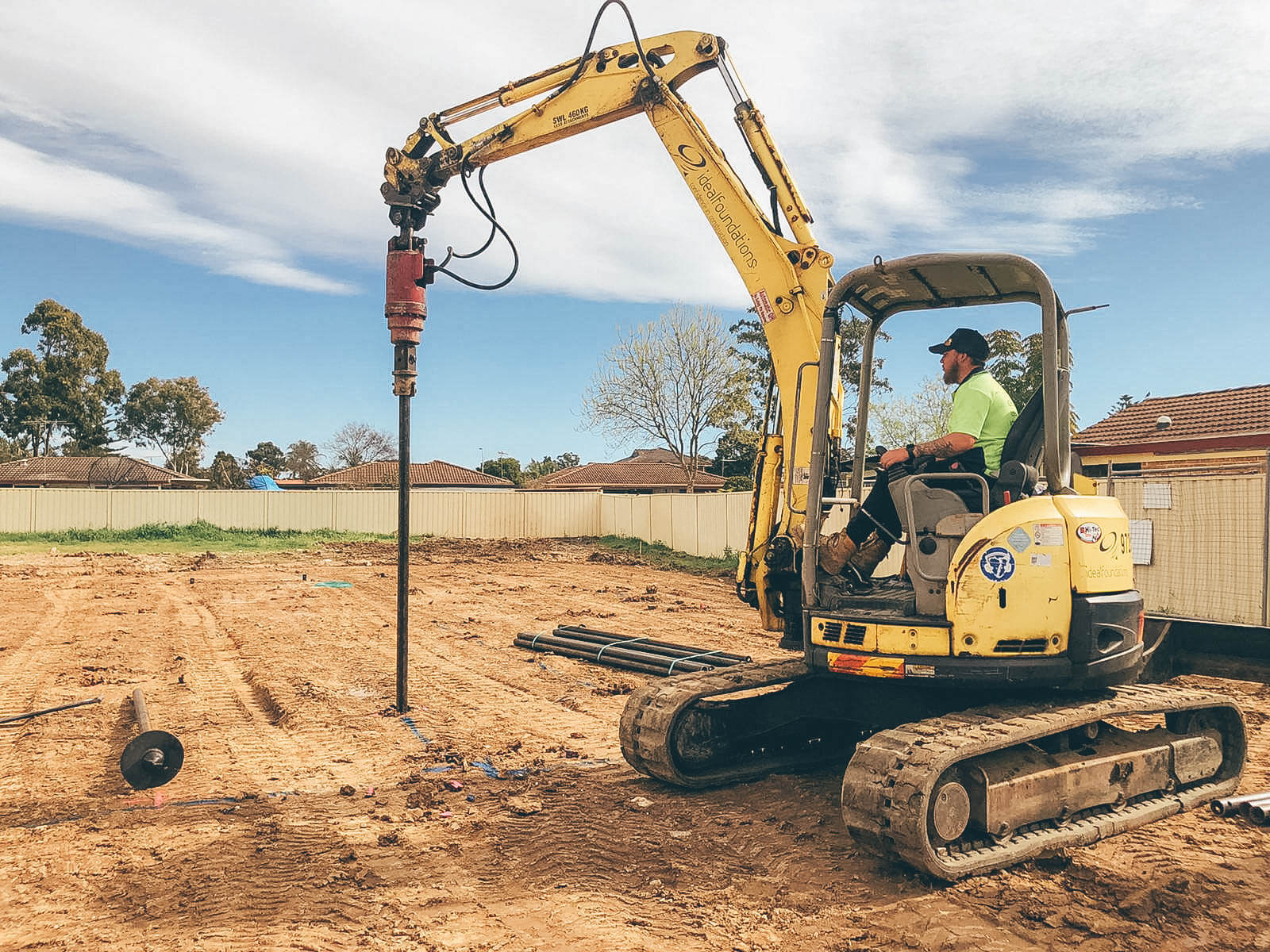
Streamlining Your Project: Screw Pier Installation Tips
In the realm of construction and engineering, efficiency and stability are prime considerations. Screw piers, known for their effectiveness in providing strong and reliable foundations, have become increasingly popular. Whether you are working on residential, commercial, or industrial projects, understanding the nuances of screw pier installation can significantly streamline your workflow. This article delves into essential tips and best practices for installing screw piers.
Understanding Screw Piers
Before diving into installation tips, it’s crucial to comprehend what screw piers are and their applications. Screw piers, also known as helical piles, are steel shafts with helical plates that screw into the ground. They offer several advantages:
- Quick and efficient installation
- Minimal soil disturbance
- Suitability for various soil types
- Immediate load-bearing capacity
For those new to this technology, learn more in this detailed guide on screw piers and their benefits.
Pre-Installation Considerations
Site Assessment
Conducting a thorough site assessment is paramount. This involves:
- Soil Testing: Determine the soil type and strength to ensure suitability for screw piers.
- Load Requirements: Assess the load-bearing requirements of the project to select appropriate screw pier specifications.
- Site Accessibility: Ensure that the site is accessible for the necessary equipment and machinery.
For more on site preparation, read more about this topic.
Choosing the Right Equipment
Using the correct equipment is critical for successful screw pier installation. Considerations include:
- Size and Type of Machinery: Select equipment that can handle the size and depth of the screw piers needed.
- Torque Capacity: Ensure machinery has the necessary torque capacity to install the piers securely.
Explore further insights here on equipment selection.
Installation Best Practices
Proper Alignment
Ensuring the screw piers are aligned correctly is vital for maintaining structural integrity. Tips for achieving proper alignment include:
- Use laser levels or GPS systems for accuracy.
- Regularly check alignment during installation to avoid deviations.
Find additional information here on maintaining alignment.
Monitoring and Adjustments
Continuous monitoring during installation allows for immediate adjustments, preventing potential issues. Key practices include:
- Monitor torque levels to ensure proper installation depth and security.
- Adjust installation techniques based on real-time data and site conditions.
For a deeper understanding, explore further insights here.
Post-Installation Checks
Once installation is complete, conducting post-installation checks ensures long-term stability and performance. These checks should include:
- Verification of load-bearing capacity through testing.
- Ensuring all piers are at the correct levels and angles.
- Documenting the installation process for future reference.
For comprehensive guidelines, find additional information here.
Conclusion
Screw pier installation offers an efficient and robust foundation solution for various construction projects. By following these tips and best practices, professionals can enhance the efficiency and reliability of their installations. For those interested in deepening their knowledge, learn more in this detailed guide.