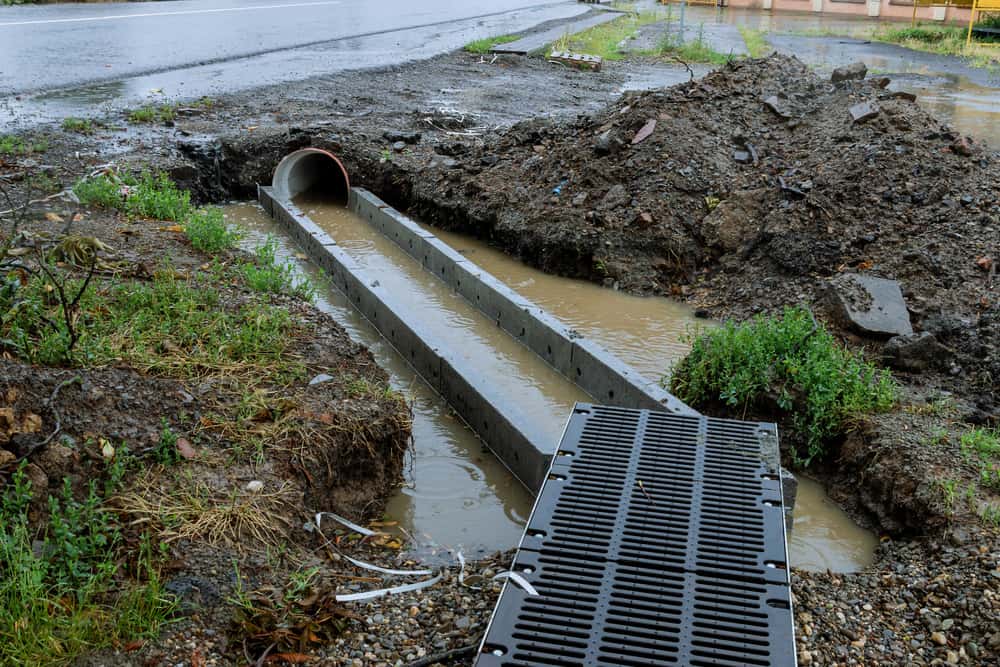
Storm water drainage is a critical aspect of urban infrastructure that is often overlooked until a problem arises. Poor drainage can lead to a host of issues, including flooding, property damage, and environmental degradation. Understanding and implementing effective storm water management techniques is essential for protecting both urban and natural environments. This article delves into the importance of proper storm water drainage, exploring various techniques and their benefits.
Understanding Storm Water Drainage
Storm water drainage involves the collection, transport, and disposal of rainwater. Efficient systems are designed to handle large volumes of water, preventing it from accumulating on roads, fields, or around buildings. Comprehensive drainage plans are crucial in urban areas where impervious surfaces like asphalt and concrete prevent water from naturally soaking into the ground.
Why Proper Drainage Matters
The consequences of inadequate storm water management can be severe. Here are some key reasons why effective drainage is vital:
- Flood Prevention: Proper drainage systems reduce the risk of flooding, protecting homes and businesses from water damage.
- Environmental Protection: Drainage systems help prevent pollutants from entering natural waterways, safeguarding ecosystems.
- Infrastructure Longevity: Timely removal of excess water prevents wear and deterioration of roads and buildings.
- Safety: Minimizing standing water reduces the risk of accidents and health hazards.
Effective Storm Water Management Techniques
Implementing the right techniques is crucial for effective storm water management. Various strategies can be employed depending on the specific requirements of an area.
Surface Drainage Systems
Surface drainage systems are designed to remove water from the surface quickly. They include features like:
- Grading: Sloping surfaces away from structures to direct water flow.
- Swales: Shallow ditches that guide water away from critical areas.
- Open Channels: Natural or man-made channels that transport water.
These systems are effective for managing large volumes of water in urban areas. Discover expert strategies here.
Subsurface Drainage Systems
Subsurface drainage involves underground pipes that collect and transport water away from a site. This includes:
- French Drains: Trenches filled with gravel containing a perforated pipe that redirects water.
- Drain Tiles: Pipes laid beneath the soil surface to intercept water and channel it away.
Subsurface systems are essential for areas with high water tables or where surface drainage is impractical. Learn about our tailored solutions.
Innovative Green Infrastructure
Green infrastructure integrates natural processes to manage storm water. Techniques include:
- Rain Gardens: Planted depressions that absorb runoff.
- Green Roofs: Vegetated roof surfaces that reduce runoff and improve insulation.
- Permeable Pavements: Paving materials that allow water to infiltrate the ground.
These sustainable solutions are increasingly popular for their dual benefits of storm water management and environmental enhancement. Explore advanced guides and tips.
Conclusion
Effective storm water drainage is fundamental to urban planning and environmental conservation. By employing a combination of surface, subsurface, and green infrastructure techniques, communities can mitigate the risks of flooding, enhance safety, and protect natural ecosystems. Proper drainage ensures not only the longevity of infrastructure but also the health and well-being of the population. Find out more about this approach.